What is a Metal Residential Building?
A Metal Residential building refers to a structure designed for use as a residential dwelling. Unlike traditional homes built with wood or other materials, metal residential buildings offer several advantages, including durability, energy efficiency, and design flexibility. This makes them the perfect choice for people looking to build a new farm home, mountain cabin, or modern neighborhood home at a low cost.
Why are Metal Residential Buildings so Popular?
Metal houses are popular for several reasons:
Durability
Metal is a highly durable material, resistant to elements such as fire, rot, pests, and extreme weather conditions. Metal houses can withstand harsh environmental conditions better than traditional wooden structures, making them a popular choice for areas prone to hurricanes, wildfires, and other natural disasters.
Longevity
Metal houses have a longer lifespan compared to traditional homes. Metal is less susceptible to deterioration and decay over time, requiring less maintenance and repair work in the long run. This durability contributes to the overall value and longevity of metal houses.
Energy Efficiency
Metal houses can be designed with energy-efficient features to reduce heating and cooling costs. Proper insulation, along with reflective metal roofing materials, can help improve thermal performance and energy efficiency, resulting in lower utility bills for homeowners.
Design Flexibility
Metal allows for greater design flexibility compared to traditional building materials. Metal houses can be customized to accommodate various architectural styles, layouts, and design preferences. They offer versatility in terms of interior and exterior finishes, allowing homeowners to create unique and modern living spaces.
Quick Construction
Metal houses can be constructed relatively quickly compared to traditional homes. Prefabricated metal building components are manufactured off-site and assembled on-site, reducing construction time and labor costs. This quick construction process is advantageous for homeowners who want to move into their new homes within a shorter timeframe, all while maintaining safety as a top priority.
Sustainability
Metal houses are environmentally friendly options for housing. Metal is a recyclable material, and many metal houses incorporate recycled content into their construction. Additionally, metal houses can be designed to be energy-efficient, reducing their environmental impact over their lifespan.
Cost-Effectiveness
While initial construction costs may vary, metal houses often offer good value for homeowners in the long run. Their durability, energy efficiency, and low maintenance requirements can result in lower overall costs over the lifespan of the home. Additionally, metal houses can be a cost-effective option for those seeking a sturdy and reliable housing solution.
Overall, the popularity of metal houses stems from their durability, longevity, energy efficiency, design flexibility, quick construction, sustainability, and cost-effectiveness. These factors make metal houses an attractive option for homeowners seeking modern, reliable, and efficient housing solutions.
Why are Metal Residential Buildings so Popular?
Metal Residential Building Uses:
Single-Family Homes
Metal residential buildings can serve as single-family homes, providing comfortable and durable living spaces for individuals or families. These homes can range from compact and efficient designs to spacious and luxurious layouts, depending on the homeowner's preferences and needs.
Multi-Family Housing
Metal residential buildings are also used to construct multi-family housing units such as duplexes, townhouses, condominiums, and apartment complexes. These buildings provide multiple living units within a single structure, offering residents the benefits of shared amenities and communal spaces.
Vacation Homes and Cabins
Metal residential buildings are popular choices for vacation homes, cabins, and retreats in rural or mountainous areas. Their durability and resistance to weather elements make them suitable for remote locations where traditional construction materials may be less practical.
Accessory Dwelling Units (ADUs)
Metal residential buildings can be used to create accessory dwelling units, also known as granny flats, guest houses, or in-law suites. These smaller living spaces are often built on the same property as the main residence and can serve as independent living quarters for extended family members, guests, or renters.
Home Offices and Studios
Metal residential buildings can be converted into home offices, art studios, workshops, or hobby spaces. These detached structures provide a quiet and private environment for work or creative pursuits while still being connected to the main residence.
Storage Buildings
In addition to living spaces, metal residential buildings can be used for storage purposes. Homeowners may use them to store vehicles, recreational equipment, gardening tools, seasonal items, or household belongings, helping to declutter the main living area and organize possessions more efficiently.
Temporary Housing
Metal residential buildings can be used as temporary housing solutions in emergency situations, such as natural disasters or humanitarian crises. Prefabricated metal structures can be quickly deployed to provide shelter for displaced individuals or communities, offering a safe and secure place to stay until more permanent housing options become available.
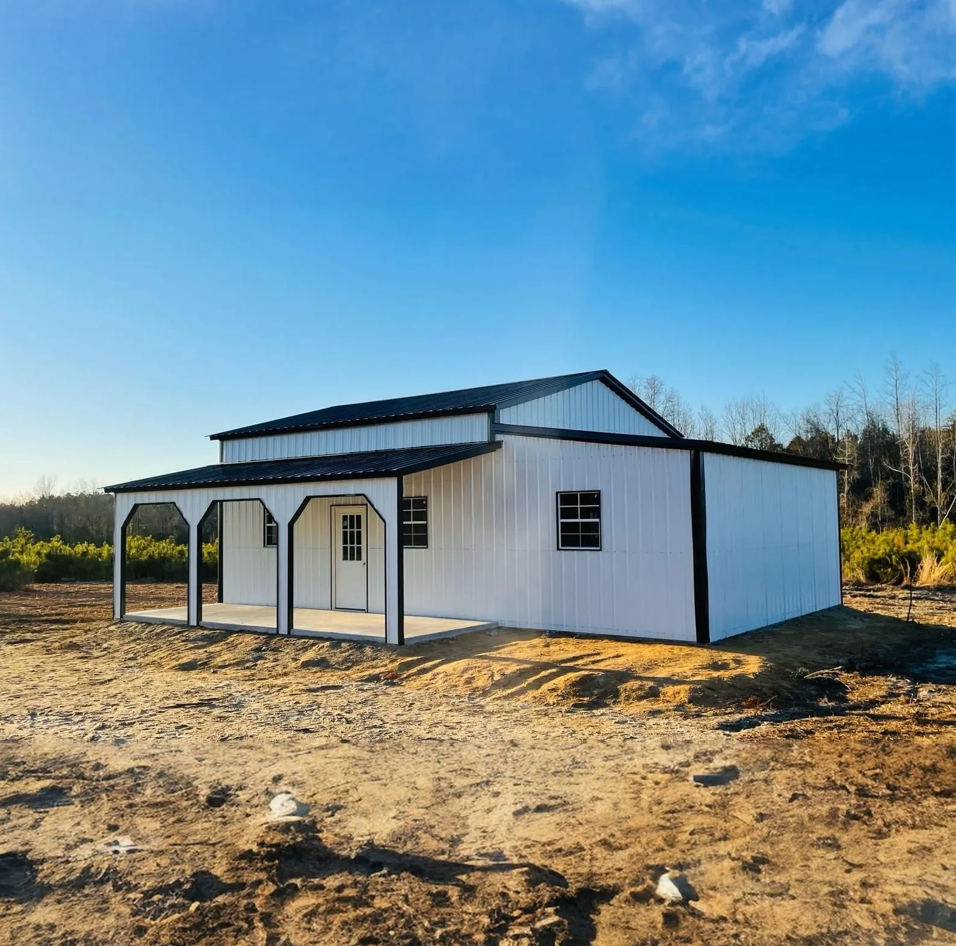
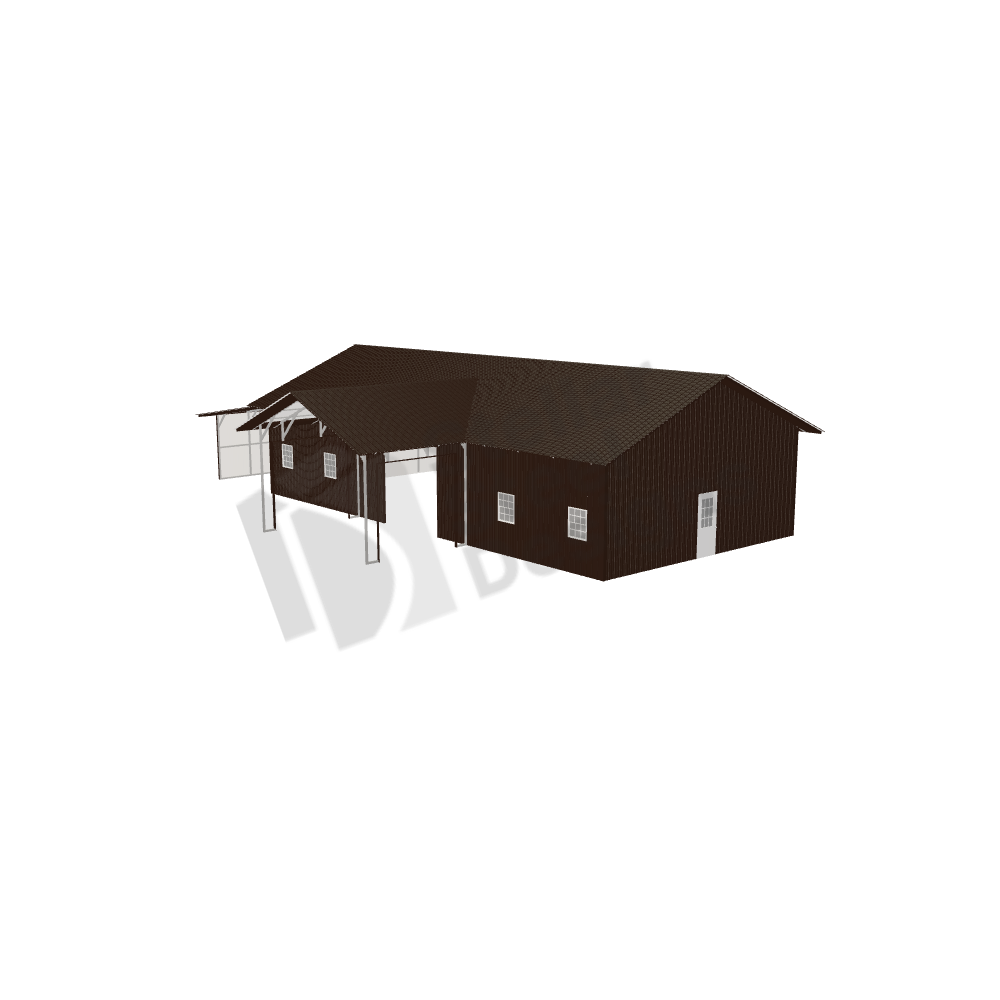
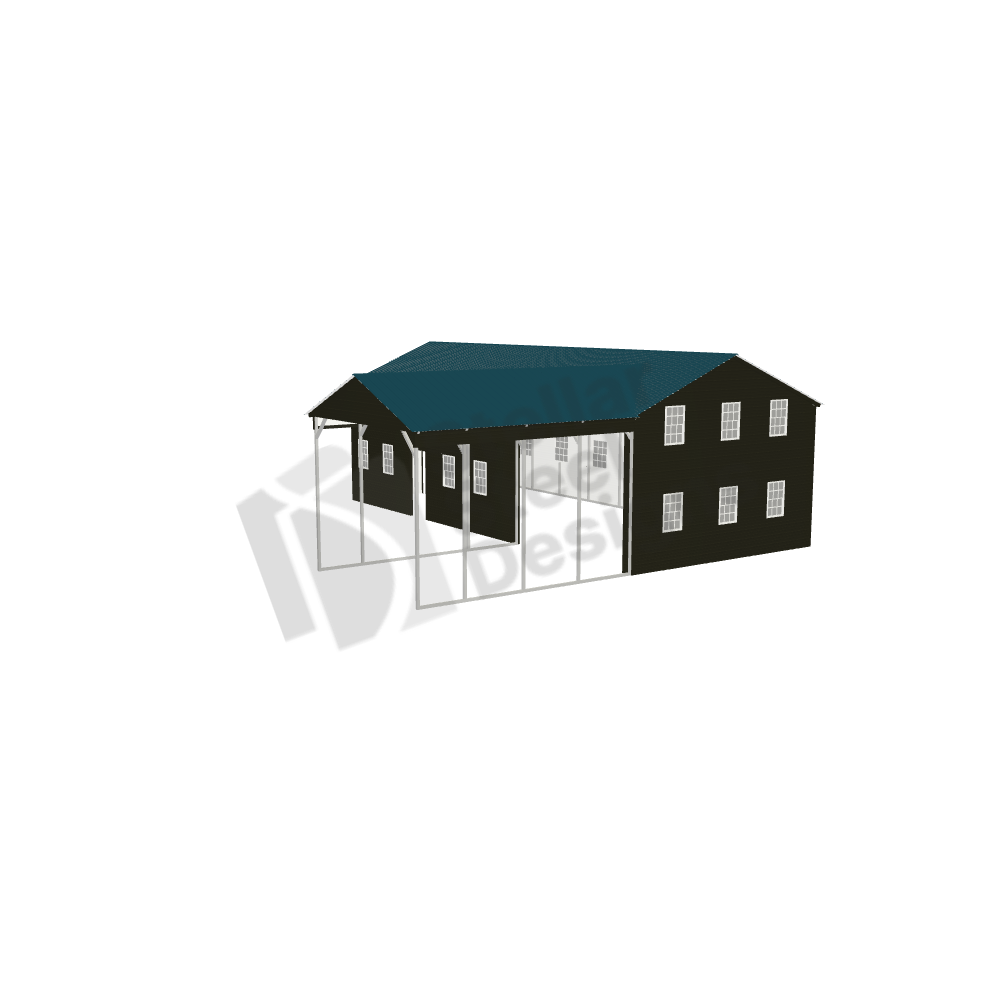
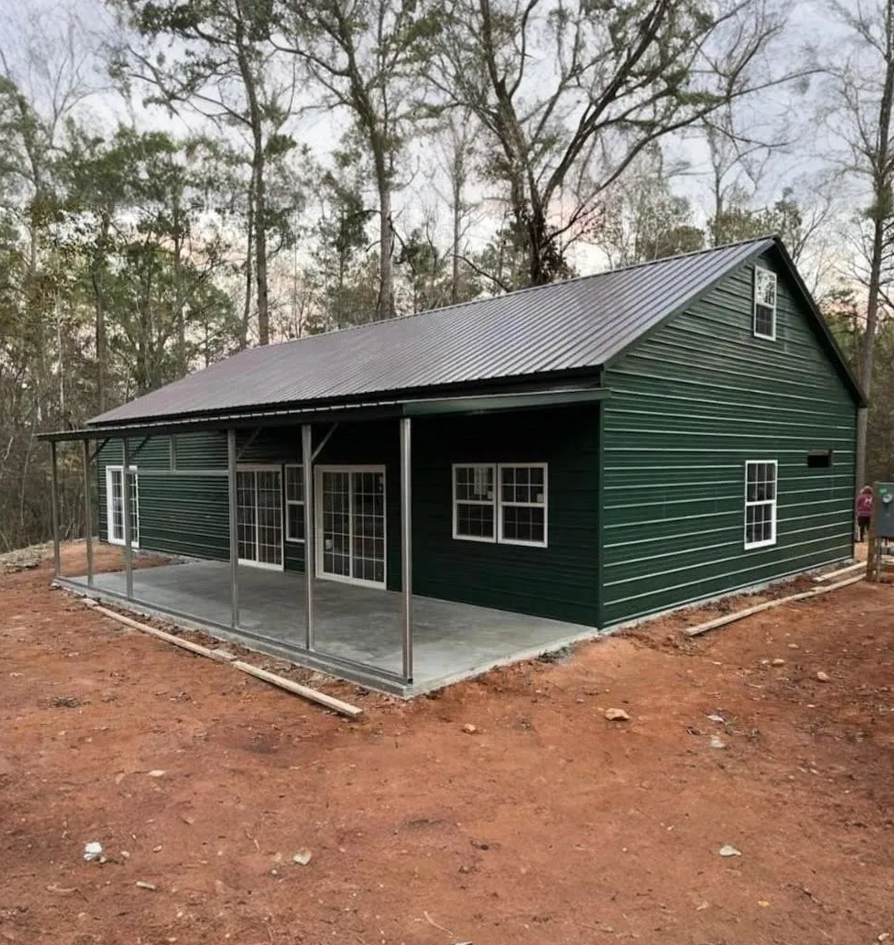
Overall, metal residential buildings offer a wide range of uses and applications in residential construction, providing durable, efficient, and customizable solutions for homeowners, developers, and communities alike.